
Commercial Truck Insurance
Defined by operational responsibility, layered risk transfer, and coverage alignment — not by truck size, business labels, or policy names.
Commercial insurance is the system used to insure trucks operating for business purposes across the United States. Unlike personal auto insurance, insurance for commercial trucks is structured around how a truck operates, who controls it at a given moment, and where financial responsibility ultimately sits.
Because trucking operations vary — owner-operators, leased drivers, fleets, local hauling, interstate transport — commercial truck insurance coverage is not a single product. It is a layered framework of trucking insurance policies designed to respond as operational risk shifts throughout real-world trucking activity.
Understanding that framework is the foundation for every other trucking insurance decision.
What Commercial Truck Insurance Actually Is
Commercial truck insurance is best understood as a coverage architecture, not a standalone policy.
In practice, commercial trucking insurance reflects:
How revenue is generated
Who controls the truck during operation
Who bears responsibility for third-party harm
Who absorbs loss when equipment or cargo is damaged
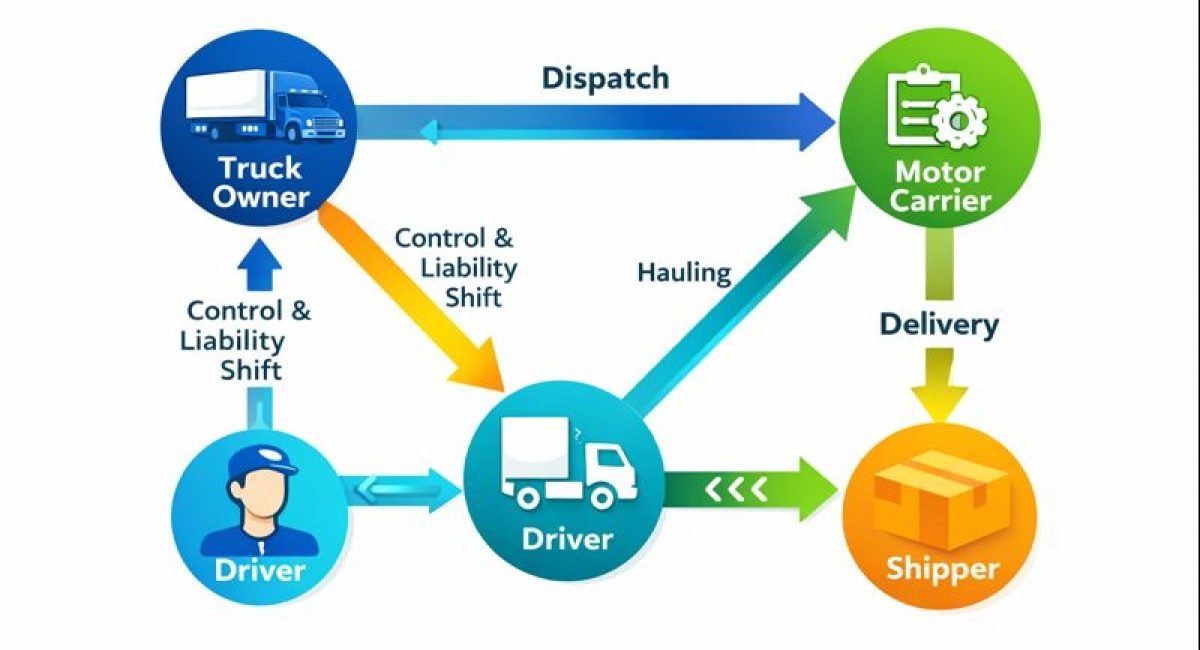
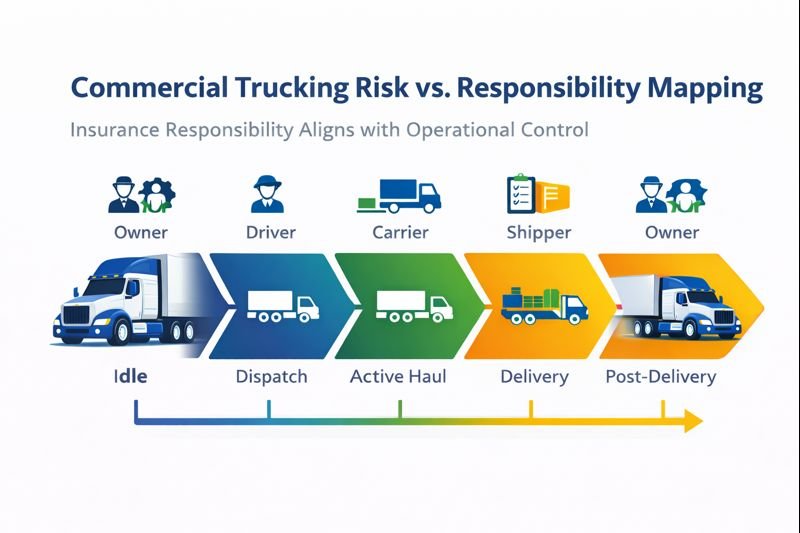
For this reason, trucking insurance coverage follows operational control, not ownership alone. A truck may be owned by one party, operated by another, and insured under a different structure depending on how risk is contractually and practically assigned.
Why Trucking Insurance Is Structurally Different
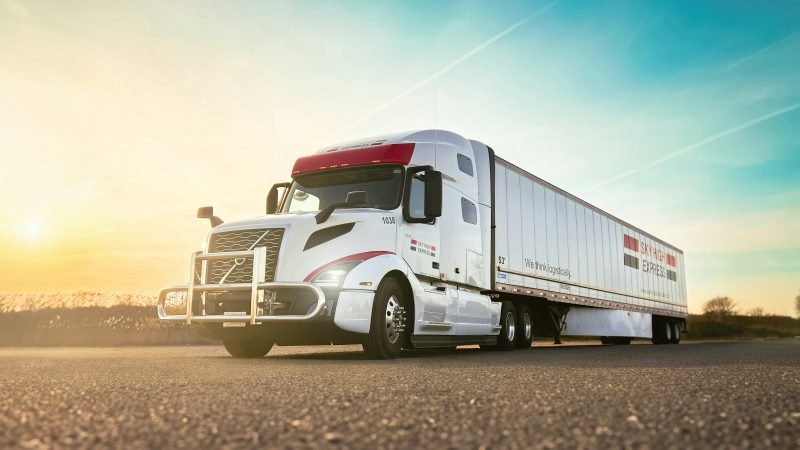
Commercial trucking combines multiple high-impact risks that rarely exist together in other industries.
Mobile, Multi-Jurisdiction Exposure
Commercial trucks routinely cross state lines. Exposure does not remain fixed to a single location, requiring commercial trucking insurance to function consistently across varying regulatory and contractual environments.
Split Operational Responsibility
Ownership, dispatch authority, driving, and cargo control are often separated. Commercial truck insurance responds to who has control at the moment of loss, not who holds title.
Elevated Third-Party Risk
Vehicle mass, cargo weight, and operating conditions mean that even minor incidents can escalate quickly. This is why liability coverage forms the structural foundation of most commercial truck insurance frameworks.
Core Coverage Layers in Commercial Truck Insurance
Rather than focusing on policy names, it is more accurate to understand what each coverage layer is designed to absorb.
Operational Liability Coverage
This layer responds when truck operation causes injury or property damage to others. It is the backbone of commercial truck liability insurance. Its behavior depends on:
Operating authority at the time of loss
Whether the truck is leased or independently operated
How responsibility is defined during active operations
Misalignment at this level is one of the most common sources of disputes.
Physical Damage and Equipment Protection
This layer addresses damage to the truck itself. Its relevance is tied less to ownership and more to who absorbs the financial impact when equipment is out of service and physical damage insurance for trucks.
For many trucking operations, downtime directly affects cash flow and operational continuity.
Cargo-Related Exposure
Cargo insurance coverage is shaped by:
Contractual responsibility for the load
Control over pickup, transport, and delivery
Whether the operation functions as a carrier or intermediary
Responsibility for cargo loss often differs from physical possession, making this one of the most misunderstood areas of trucking insurance.
Downtime and Income Interruption Considerations
Some operations include coverage intended to address lost income when a truck cannot operate. These protections vary widely in scope, trigger conditions, and duration.
Assumptions about downtime coverage frequently diverge from how it performs in practice.
Truck downtime and income interruption coverage
How Commercial Truck Insurance Differs by Operation Type
The same commercial truck can require very different insurance structures depending on how it is used.
Owner-Operator Operations
Owner-Operator commercial Truck insurance
Owner-operators often carry direct exposure across liability, equipment, and cargo layers because operational responsibility is centralized.
Leased Operator Operations
Leased Operator Truck insurance
Leased operations introduce split responsibility models, where coverage behavior depends on who controls the truck at specific stages of operation.
Fleet Operations
Fleet Commercial Truck insurance
Fleet trucking aggregates risk across multiple vehicles, drivers, and routes, creating different exposure patterns than single-truck businesses.
Interstate vs Intrastate Trucking
Interstate vs Intrastate trucking insurance
Interstate operations generally introduce broader exposure patterns than local hauling due to distance, jurisdictional complexity, and cargo variability.
This is why generic trucking insurance advice often fails. Coverage must mirror operations, not labels.
Common Structural Gaps in Commercial Truck Insurance
Across the industry, similar issues appear repeatedly:
Coverage written for an earlier operational model
Equipment protection misaligned with real downtime exposure
Cargo responsibility assumed rather than verified
Liability structures that do not reflect actual control
These gaps often remain invisible until a claim forces clarity.
Evaluating Commercial Truck Insurance Structure
Before comparing trucking insurance policies, it is useful to evaluate structure first.
Key questions include:
What type of risk is each coverage layer designed to absorb?
When does responsibility shift during operations?
What assumptions does the coverage make about how the truck is used?
Answering these questions provides clarity before any selection decisions are made.
FAQs
What is commercial truck insurance?
Commercial truck insurance refers to the structured coverage framework used to insure trucks operating for business purposes based on operational control and risk responsibility.
Is commercial truck insurance the same for all trucking operations?
No. Coverage structure varies based on ownership, leasing arrangements, cargo responsibility, and whether operations are local or interstate.
Does commercial truck insurance cover the truck itself?
Some policies include equipment protection, depending on how physical damage coverage is structured within the overall framework.
Who is responsible for insurance in leased trucking operations?
Responsibility often depends on contractual arrangements and operational control at the time the truck is in use.
Does commercial truck insurance change if operations change?
Yes. When trucking operations evolve, coverage structure often needs review to ensure alignment with risk distribution.
Is commercial truck insurance required for all trucks?
Coverage expectations vary by operation type and jurisdiction, which is why structure matters more than assumptions.
Bottom Line
Commercial truck insurance is not about buying more coverage.
It is about aligning insurance structure evaluation with real operational risk.
When coverage mirrors how trucking operations actually function, insurance behaves predictably. When it does not, gaps emerge.
That alignment is what defines effective commercial truck insurance.