
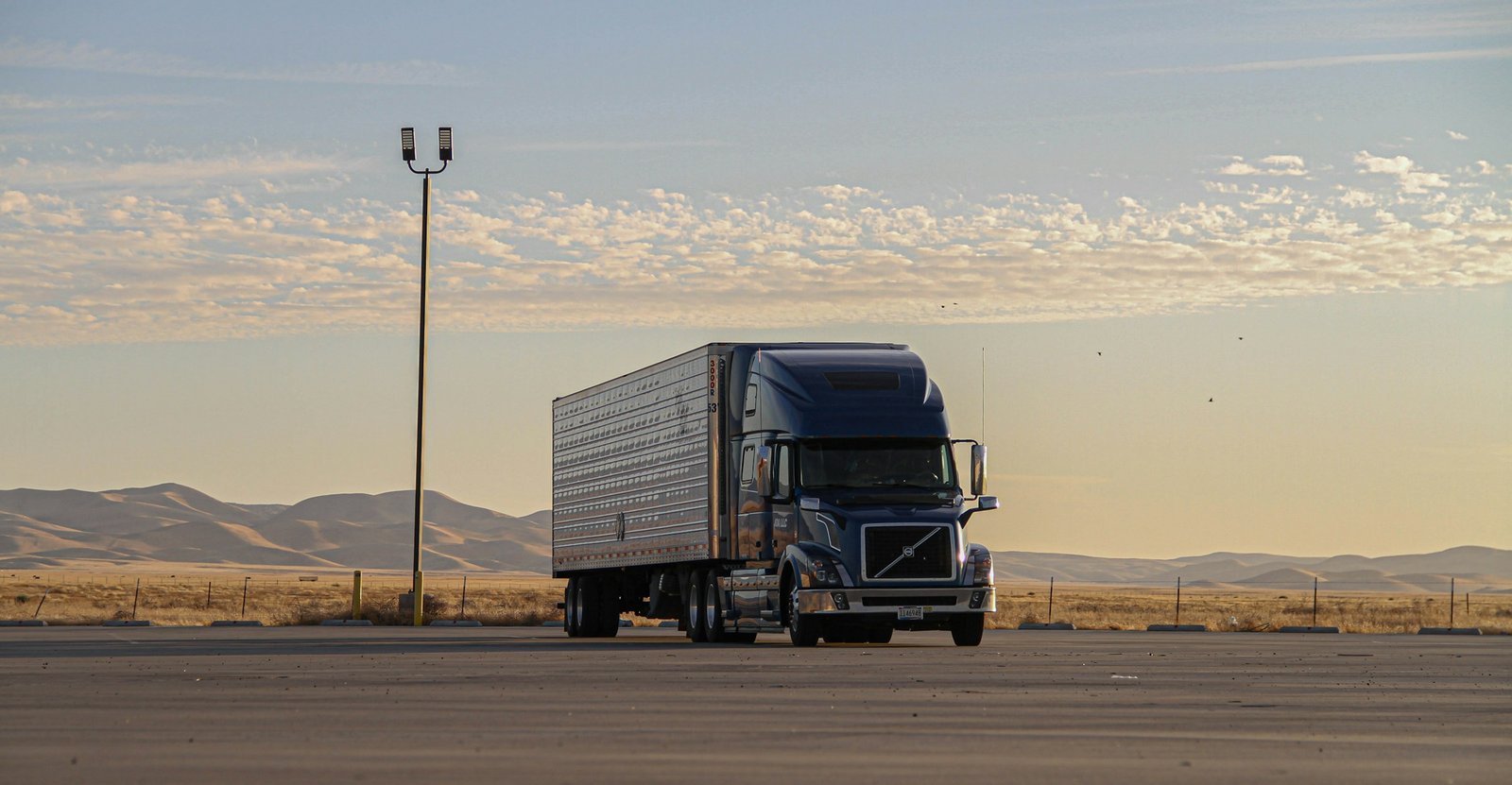
Hazmat Truck Insurance
Hazmat truck insurance exists because the cargo itself can cause harm even without a crash.
In hazardous materials trucking, risk is not limited to vehicle movement. The substances being transported may be flammable, corrosive, toxic, or environmentally damaging. A leak, spill, or containment failure can trigger injuries, property damage, environmental impact, and cleanup responsibility—sometimes without any collision at all.
This is why hazmat truck insurance is not standard trucking insurance with higher limits. It is a high-risk specialty commercial truck insurance structure designed around material behavior, release potential, and downstream consequences.
What Hazmat Truck Insurance Actually Is
Hazmat truck insurance refers to the insurance framework used for trucking operations that transport hazardous materials in regulated quantities.
What defines hazmat truck insurance is not distance or truck class.
It is defined by:
The inherent danger of the materials transported
High severity even from low-speed or non-collision incidents
Insurance must respond to material-driven risk, not just roadway risk.
Why Hazmat Truck Insurance Is Structurally Different
Hazmat operations face a risk profile driven by severity and consequence, not frequency alone.
Key structural differences include:
Cargo that can injure or contaminate upon release
Losses that extend beyond the immediate scene
Losses often involve:
Cleanup, disposal, and remediation responsibility
The financial impact frequently exceeds vehicle damage.
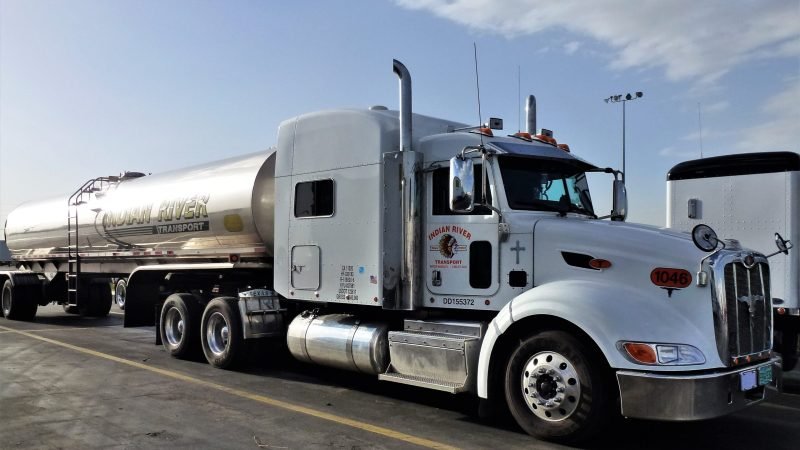
The Hazard Release Risk Model (Core Authority Framework)
Hazmat losses typically originate from four release-driven exposure drivers.
Material Hazard Exposure
Risk varies based on:
Chemical properties
Toxicity
Flammability
The same incident can produce very different outcomes depending on the substance involved.
Containment & Packaging Exposure
Risk arises when:
Containers fail
Valves leak
Securement breaks down
Containment integrity is central to loss prevention.
Environmental Impact Exposure
Hazmat releases can affect:
Soil
Water
Air quality
Environmental damage often triggers additional liability beyond direct injury or property loss.
Emergency Response Exposure
Incidents may require:
Fire response
Hazmat teams
Specialized cleanup contractors
Response complexity escalates severity rapidly.
Why Hazmat Loss Severity Escalates Faster Than Other Trucking Losses
Hazmat losses escalate because downstream consequences compound quickly.
A minor release can trigger:
Area shutdowns
Environmental testing
Specialized cleanup
Regulatory oversight
Cleanup costs often exceed vehicle damage by a wide margin.
Severity is driven not by impact force, but by what escapes containment and where it spreads.
This is why hazmat trucking is evaluated as a high-severity, low-tolerance risk category.
Core Coverage Layers in Hazmat Truck Insurance
Hazmat truck insurance Cost works best when understood as consequence-based risk protection.

Physical Damage Coverage (Vehicle & Containment Protection)
Physical damage coverage applies to:
Trucks
Specialized tanks and containment equipment
Damage to containment systems can halt operations immediately.
Pollution liability insurance for trucks
This is a defining coverage layer for hazmat trucking.
It responds to:
Spills and releases
Cleanup and remediation costs
Environmental damage claims
Environmental exposure often exceeds all other loss categories.
Downtime & Operational Shutdown Considerations
Hazmat incidents often result in:
Regulatory shutdowns
Route restrictions
Equipment decontamination
Downtime may last far longer than repair timelines.
How Insurers Evaluate Hazmat Operations Internally
Insurers assess hazmat risk using severity-focused indicators, not trip frequency.
Key evaluation factors include:
Types of hazardous materials transported
Packaging and containment methods
Spill history or near-miss patterns
Route sensitivity and population exposure
Emergency response planning
Risk is evaluated by what could be released, not how often shipments occur.
Hazmat Truck Insurance vs Other Truck Insurance Types
The distinction is consequence-based.
Semi trucks focus on freight transport
Flatbeds focus on load securement
Tow trucks focus on roadside service
Hazmat trucks focus on material hazard and release impact
Applying standard trucking insurance logic to hazmat operations creates severe gaps.
Common Coverage Gaps in Hazmat Truck Insurance
Recurring issues include:
Pollution exposure misunderstood or excluded
Limits not aligned with cleanup severity
Packaging assumptions not reflected in coverage
Deductibles misaligned with high-severity losses
These gaps often surface only after a release event.
How Hazmat Truck Insurance Evolves Over Time
Insurance needs change as hazmat operations expand or shift.
Common inflection points include:
Transport of more hazardous substances
Longer or more sensitive routes
Increased shipment volume
Changes in containment technology
Coverage structure must evolve with material risk.
FAQs
What is hazmat truck insurance?
Hazmat truck insurance is the insurance framework designed for trucking operations that transport hazardous materials.
Why is hazmat truck insurance considered high-severity even with few accidents?
Because hazardous materials can cause injury, contamination, and environmental damage even without a collision, leading to rapid cost escalation.
Does hazmat truck insurance cover spills and cleanup?
Coverage response depends on pollution liability provisions, material type, and how a release occurs.
Is hazmat truck insurance different from standard trucking insurance?
Yes. Hazmat insurance focuses on material hazard and release consequences rather than freight transport alone.
Bottom Line
Hazmat truck insurance exists because material release multiplies exposure instantly.
When insurance structure reflects material hazard, containment risk, and environmental impact, it supports hazardous materials operations. When it does not, losses escalate rapidly.
Understanding that structure comes before any cost or provider decision.