
Hot Shot Trucking Insurance Cost: Why Platform Limits Drive Pricing
A last-minute load comes in. The trailer is heavier than usual. The delivery deadline is tight.
The pickup can handle the job—but only just.
Braking distance stretches. Suspension compresses. Every maneuver feels slightly closer to the edge than normal.
That moment explains why hot shot trucking insurance cost behaves differently than most trucking insurance pricing.
Insurance companies are not pricing the truck itself. They are pricing how often the platform operates near its mechanical limits, how frequently jobs change, and how urgency affects driver decisions during real operations.
Hot shot trucking sits between light-duty hauling and full commercial trucking. Because of that hybrid nature, underwriting evaluates both pickup-level risks and traditional freight exposure.
Understanding those dynamics is the key to understanding hot shot insurance pricing.
Hot Shot Trucking Insurance Cost — Quick Answer
Cost Type | Typical Range |
Monthly hot shot insurance | $700 – $1,600 |
Annual hot shot trucking insurance | $8,000 – $18,000+ |
New authority hot shot operators | $14,000 – $24,000+ |
Leased hot shot drivers | $3,000 – $8,000 annually |
Actual insurance premiums depend heavily on payload weight, trailer configuration, driver history, operating radius, and cargo type.
How Much Does Hot Shot Trucking Insurance Cost in 2026?
For most owner-operators running hot shot freight under their own authority, insurance costs typically range between $8,000 and $18,000 per year.
Hot shot trucking insurance often falls between box truck insurance pricing and semi-truck insurance pricing.
The reason is simple:
Hot shot operations combine lighter vehicles with heavier freight exposure.
The pickup truck may appear smaller than a semi tractor, but the loads being transported can still create significant liability exposure on highways.
For a full overview of policy structures used in commercial trucking, see
Hot Shot Insurance Cost by Operator Type
Insurance pricing changes depending on the structure of the operation.
Operator Type | Annual Cost Range | Why Pricing Differs |
New authority hot shot owner-operator | $14,000 – $24,000 | No operating history |
Experienced owner-operator | $8,000 – $15,000 | Proven safety record |
Leased hot shot driver | $3,000 – $8,000 | Carrier provides liability |
Small hot shot fleet | $10,000 – $18,000 per truck | Multiple drivers increase exposure |
Insurance premiums often decrease after 12–24 months of safe operating history.
Why Hot Shot Operations Are Evaluated Differently
Hot shot trucking lives between light-duty hauling and traditional trucking—and carries exposure from both.
Expedited Freight Expectations
Hot shot trucking often involves urgent deliveries.
Time pressure increases:
- driver fatigue risk
- decision density
- late-night driving exposure
These conditions can influence accident probability.
Pickup-and-Trailer Platforms
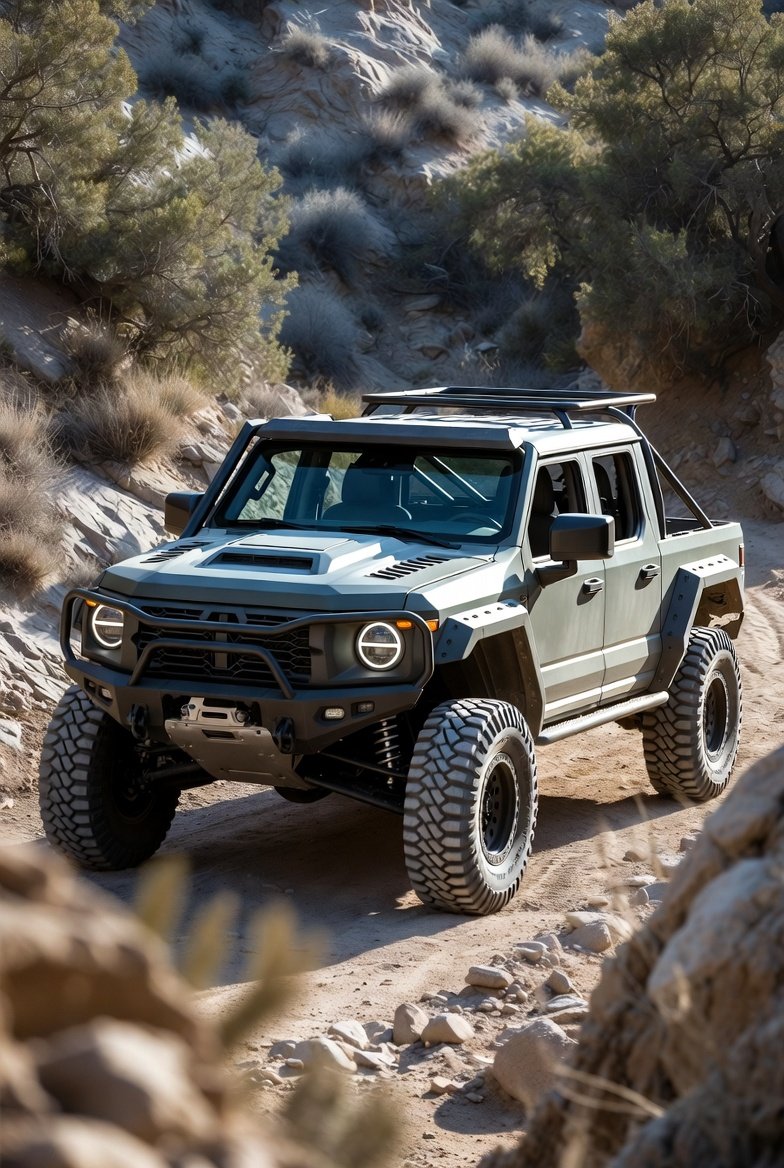
Hot shot operations typically use heavy-duty pickup trucks with gooseneck trailers.
Compared with semi-truck tractors, these platforms:
- have shorter wheelbases
- operate closer to payload limits
- rely on different braking systems
This changes how insurers evaluate stability and stopping distance risks.
Frequent Operational Changes
Hot shot operators often switch:
- cargo types
- trailers
- routes
- delivery timelines
Each operational change resets exposure variables.
Because operations are less predictable than dedicated freight routes, insurance pricing emphasizes variability.
The Core Cost Drivers Behind Hot Shot Trucking Insurance
Several key factors shape hot shot trucking insurance cost.
Payload-to-Platform Balance
Insurance companies evaluate how close the load runs to the truck’s limits.
Important factors include:
- axle ratings
- braking capacity
- suspension stress
- trailer weight distribution
When trucks frequently haul loads near their limits, underwriting risk increases.
Trailer Configuration
Hot shot operators commonly use:
Trailer Type | Risk Characteristics |
Gooseneck trailer | Stable but heavy |
Flatbed trailer | cargo securement risk |
Equipment trailer | higher weight loads |
Trailer design affects handling and braking behavior, which impacts insurance pricing.
Operating Radius
Operating distance significantly affects risk.
Radius | Typical Pricing Impact |
Local (under 300 miles) | Lower risk |
Regional (300–700 miles) | Moderate |
Long haul | Higher exposure |
More highway hours increase accident probability.
Cargo Type
Hot shot freight can include:
- construction materials
- industrial equipment
- machinery parts
- palletized freight
Some cargo types create higher liability exposure if lost or damaged.
Detailed freight coverage rules are explained in
motor-truck-cargo-insurance
Coverage Layers That Shape Hot Shot Trucking Insurance Cost
Hot shot insurance policies usually combine multiple types of coverage.
Primary Liability Insurance
Primary liability covers injuries or property damage caused to other drivers.
The Federal Motor Carrier Safety Administration (FMCSA) requires interstate freight carriers to maintain minimum liability coverage of $750,000.
However, most freight brokers require $1 million liability coverage before assigning loads.
Typical cost:
Coverage | Annual Cost |
Primary liability | $6,000 – $12,000 |
This is usually the largest portion of hot shot insurance premiums.
Motor Truck Cargo Insurance
Cargo insurance protects the value of freight being transported.
Typical coverage:
$100,000 cargo limit
Typical cost range:
Coverage | Annual Cost |
Cargo insurance | $600 – $1,500 |
Cargo policies protect shippers if freight is damaged or lost during transportation.
More details are available here:
motor-truck-cargo-insurance
Physical Damage Insurance
Physical damage coverage protects the truck and trailer against:
- collisions
- theft
- vandalism
- severe weather
Premiums usually cost 3%–6% of the truck’s value per year.
Example:
$70,000 pickup truck
≈ $2,100 – $4,200 yearly premium
Additional details can be found at
physical-damage-trucking-insurance
Trailer Coverage
Some hot shot drivers insure trailers separately.
Typical trailer coverage costs:
Trailer Type | Annual Cost |
Gooseneck trailer | $300 – $800 |
Flatbed trailer | $400 – $1,200 |
Trailer value and cargo type influence premiums.
Real Example: Hot Shot Insurance Pricing
Example scenario:
Owner-operator hauling equipment using a pickup and gooseneck trailer.
Coverage | Annual Cost |
Primary liability | $9,500 |
Cargo insurance | $1,200 |
Physical damage | $3,200 |
Trailer coverage | $700 |
Total estimated annual insurance cost:
≈ $14,600
Why Payload-to-Platform Mismatch Drives Cost
Payload weight matters—but payload relative to the platform matters more.
Pickup trucks hauling near their rated limits face:
- longer stopping distances
- altered steering response
- increased trailer sway
When heavy loads approach braking limits, accident severity can increase.
Because hot shot operations frequently run near these limits, insurance companies place strong emphasis on payload-to-platform balance.
Why Variability Matters More Than Mileage
Mileage measures distance.
Variability measures uncertainty.
Hot shot operators may accept different loads, switch trailers, or reroute deliveries multiple times each week.
Each operational change affects:
- weight distribution
- cargo securement
- braking dynamics
Insurance pricing therefore follows how frequently operations change, not simply how far the truck travels.
Why Severity Still Matters in Hot Shot Operations
Even though pickup trucks are smaller than semi trucks, heavy freight can still create serious accidents.
Heavy trailers can:
- increase stopping distance
- destabilize steering during sudden maneuvers
- cause trailer sway at highway speeds
When incidents occur at high speed, outcomes can escalate quickly.
Because of that, underwriting models evaluate both accident frequency and potential severity.
Why Online Cost Estimates Often Miss the Mark
Many online insurance estimates assume:
- consistent freight
- predictable routes
- stable trailer configurations
- uniform driving schedules
Hot shot trucking rarely operates that way.
Once underwriting evaluates payload variability, expedited timelines, and platform stress, pricing adjusts accordingly.
The gap between online estimates and real quotes usually reflects missing operational details.
How Hot Shot Drivers Reduce Insurance Costs
Experienced operators often lower premiums by improving operational stability.
Common strategies include:
Maintaining a Clean Driving Record
Insurance companies reward safe drivers with lower premiums over time.
Limiting Operating Radius
Regional operations typically cost less to insure than long-distance hauling.
Specializing in Specific Cargo
Operators hauling consistent freight types often receive better pricing than those handling mixed cargo.
Increasing Deductibles
Higher deductibles reduce monthly premiums but increase financial responsibility after claims.
When Hot Shot Trucking Insurance Cost Should Be Reviewed
Operators should review insurance coverage when:
- trailer types change
- cargo weight increases
- operating radius expands
- new drivers join the operation
Insurance aligned with one operating profile may not reflect the next.
Final Perspective
Hot shot trucking insurance cost is not driven by how small the truck appears.
It is driven by how often the platform operates near its mechanical limits, how frequently operations change, and how urgency influences driver decisions.
Two hot shot setups can look nearly identical but receive very different insurance quotes once payload balance, trailer dynamics, and operational variability are evaluated.
For most operators running under their own authority, annual insurance costs typically range between $8,000 and $18,000, though new authorities often pay higher premiums until they establish a safety record.
Understanding the operational mechanics behind those prices helps trucking businesses evaluate insurance quotes more accurately and maintain sustainable operations.