

Bobtail Insurance: When Dispatch Ends but Liability Does Not
The load is delivered. The trailer is dropped. Dispatch goes quiet.
But the truck is still moving.
A driver leaves the delivery yard heading toward parking or fuel. Minutes later, an accident occurs. Suddenly two policies hesitate — the motor carrier’s liability coverage says dispatch has ended, while personal auto coverage does not apply to commercial trucks.
This is where bobtail insurance becomes critical.
The exposure has little to do with the trailer itself. Instead, bobtail coverage exists to address a specific liability gap that appears when a truck is operating without a trailer and outside clear dispatch authority.
For many owner-operators, this short window between assignments is where insurance confusion — and denied claims — most often occur.
What Is Bobtail Insurance
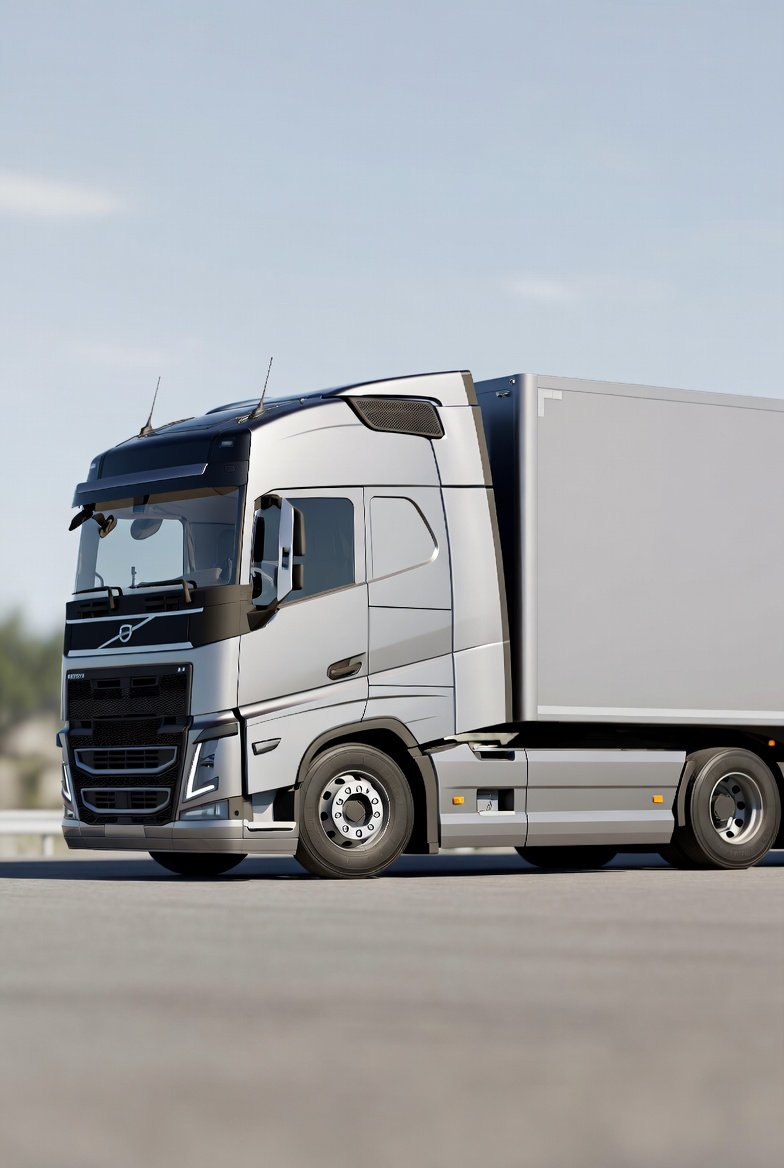
Bobtail insurance is a liability insurance coverage for commercial trucks operating without a trailer attached, typically outside active dispatch from a motor carrier.
The policy generally protects against third-party bodily injury and property damage caused while the truck is being driven between assignments, after a trailer drop, or during repositioning movements.
In practical terms, bobtail insurance fills a liability gap that can occur when:
- the driver has completed a delivery
• the trailer has been dropped
• the motor carrier’s dispatch authority has ended
• the truck is still moving for operational reasons
Without bobtail coverage, accidents during this transition period can create uncertainty about which policy applies.
Why Bobtail Liability Risk Exists
The trucking industry operates under layered insurance responsibilities.
Motor carriers usually carry primary liability coverage while drivers are under dispatch. But once a load is completed and the carrier releases control, that coverage may no longer apply.
The truck, however, does not instantly stop moving.
Drivers may still be:
- heading to a truck stop
• traveling to park for the night
• repositioning for the next load
• returning to a yard or terminal
During these moments the truck is still operating on public roads, but liability responsibility may shift away from the carrier.
Bobtail insurance is designed specifically to cover these situations.
Claims Without Freight: The Bobtail Reality
Many bobtail insurance claims occur during routine transition movements rather than major accidents.
Common scenarios include:
Leaving a delivery site
A driver drops a trailer at a warehouse and pulls away from the yard before heading to a truck stop.
Traveling between assignments
After dispatch releases a driver, the truck may still be moving toward the next pickup location.
Repositioning for parking or fuel
Drivers frequently travel several miles after dropping a trailer before stopping.
Moving between yards or terminals
Equipment relocation often occurs without an attached trailer.
In these situations, cargo is not involved, but the truck still presents a liability exposure.
Bobtail vs Non-Trucking Liability Insurance
Bobtail insurance is frequently confused with non-trucking liability insurance, but they serve different purposes.
Understanding the distinction is essential.
Bobtail Insurance
Bobtail coverage generally applies when:
- the truck is operating without a trailer
• the movement may still relate to business operations
• dispatch authority has ended or is unclear
Example:
A driver drops a trailer and drives to a truck stop to wait for the next assignment.
Non-Trucking Liability Insurance
Non-trucking liability applies when the truck is being used purely for personal purposes, not for business.
Example:
A driver uses the truck to drive to a grocery store or visit family.
The difference is subtle but important.
Bobtail coverage deals with operational movement without freight, while non-trucking liability addresses personal use of a commercial vehicle.
You can read more about that distinction here:
non-trucking-liability-insurance
Who Typically Needs Bobtail Insurance
Bobtail insurance is most commonly required for owner-operators operating under a motor carrier’s authority.
Motor carriers often require this coverage as part of lease agreements because it protects against liability gaps when dispatch ends.
Operations that frequently need bobtail insurance include:
- independent owner-operators leased to carriers
• contract drivers working under carrier authority
• drivers who regularly move trucks between yards
• operators traveling between loads without trailers
Fleet drivers may encounter bobtail exposure as well, particularly during yard moves or equipment repositioning, depending on how the fleet’s insurance policies are structured.
What Bobtail Insurance Typically Covers
Bobtail insurance generally applies to third-party liability exposure, meaning damage or injury caused to others.
Typical covered situations include:
Third-Party Bodily Injury
If the driver causes an accident that injures another person while operating without a trailer.
Property Damage
Damage to vehicles, buildings, or other property caused by the truck during off-dispatch driving.
Off-Dispatch Movement
Incidents occurring while traveling between assignments, parking locations, or service stops.
Bobtail insurance focuses entirely on liability exposure, not damage to the truck itself.
For damage to the vehicle, carriers rely on coverage like:
physical-damage-insurance-trucking
What Bobtail Insurance Usually Does NOT Cover
Like all insurance policies, bobtail coverage has clear limitations.
Typical exclusions include:
Cargo damage
Cargo losses are addressed through policies like:
Damage to the truck
Vehicle repairs fall under physical damage insurance rather than bobtail liability.
Personal use driving
Personal errands may fall under non-trucking liability rather than bobtail coverage.
Incidents occurring under active dispatch
If the driver is still under motor carrier dispatch authority, the carrier’s liability policy usually applies instead.
Understanding these exclusions helps prevent confusion when a claim occurs.
How Dispatch Status Affects Bobtail Claims
Dispatch status is often the most important factor in bobtail insurance claims.
Claims investigations commonly evaluate:
- whether the driver had completed the load
• whether the carrier officially released dispatch control
• the purpose of the trip at the time of the accident
• whether the driver was traveling toward the next assignment
These factors help determine which policy should respond first.
In many disputed cases, the accident itself is not controversial — the dispute revolves around who was responsible at that moment.
Common Bobtail Coverage Gaps
Bobtail insurance disputes often occur when documentation is unclear.
Typical gaps include:
Dispatch ambiguity
No clear record of when the carrier released the driver from dispatch.
Trailer drop timing
Uncertainty about whether the trailer had already been removed.
Trip purpose confusion
Business-related movement mistaken for personal use.
Policy overlap misunderstandings
Drivers assuming bobtail and non-trucking liability policies apply in the same situations.
These problems usually surface only after an accident occurs.
How Much Bobtail Insurance Costs
Bobtail insurance is typically purchased as an add-on coverage to a commercial trucking policy.
The price depends on several risk factors.
Insurance providers often evaluate:
- driver safety history
• years of driving experience
• operating region
• truck type and value
• motor carrier requirements
• prior liability claims
For many owner-operators, bobtail insurance may add several hundred dollars per year to an existing commercial trucking policy, though premiums vary widely based on risk profile and insurer underwriting practices.
Most drivers obtain bobtail coverage as part of a broader policy such as:
Operational Practices That Reduce Bobtail Disputes
Insurance cannot eliminate risk, but operational discipline can reduce confusion when incidents occur.
Experienced operators often follow three practices:
Clearly define dispatch boundaries
Drivers should know when dispatch authority officially begins and ends.
Document trailer drops and transitions
Records of trailer drop times and locations can clarify liability status.
Avoid assumption-based movement
Drivers should confirm whether they are still operating under dispatch before moving between assignments.
When these practices are followed, liability questions become easier to resolve.
When Bobtail Insurance Should Be Reviewed
Bobtail insurance should be reviewed whenever operating conditions change.
Common review triggers include:
- changing motor carrier relationships
• new lease agreements
• updated dispatch practices
• drivers taking on more independent movement
Coverage that worked under one operating structure may not apply correctly after operational changes.
Final Perspective
Bobtail insurance exists in the narrow space between systems — after a trailer is dropped but before personal use begins.
These incidents are rarely about freight or dispatch itself. They are about timing.
Understanding when a truck is under dispatch, when it is operating independently, and when personal use begins helps drivers align their operations with the coverage designed to protect them.
When those boundaries are clear, bobtail insurance becomes far easier to understand — and far less likely to create surprises when accidents occur.