
Car Hauler Insurance
Car hauler insurance Cost exists because a single loss can involve several vehicles at once.
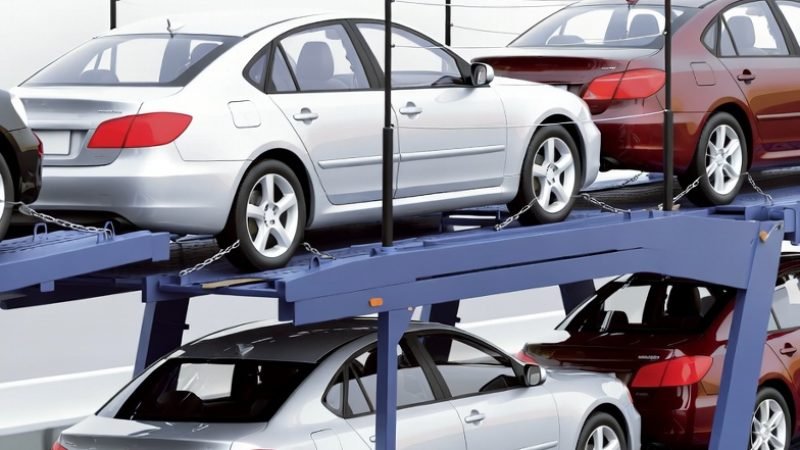
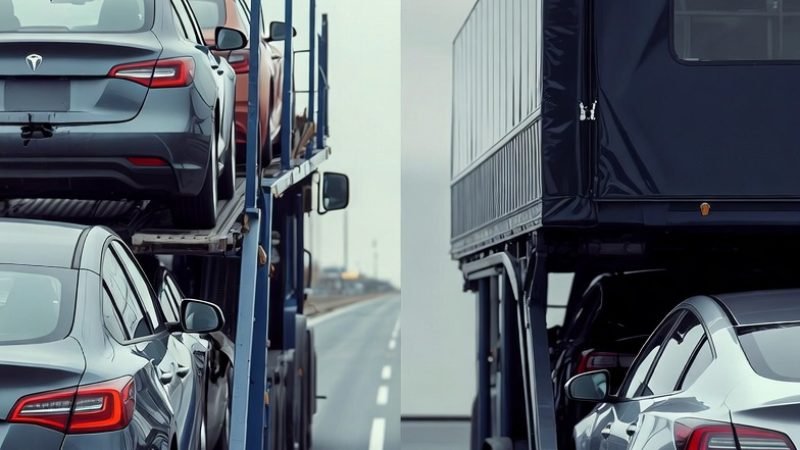
Auto transport operations concentrate risk in a way few trucking segments do. When multiple vehicles are loaded onto a single carrier, each unit carries its own value, condition, and ownership. Damage to one vehicle may be manageable; damage to several vehicles in the same incident multiplies exposure immediately.
This is why car hauler insurance is not simply tow truck insurance with cargo coverage attached. It is a vehicle-custody insurance structure designed around multi-unit exposure, high value density, and transport-specific handling risk.
What Car Hauler Insurance Actually Is
Car hauler insurance refers to the insurance framework used by businesses that transport passenger vehicles, commercial vehicles, or specialty automobiles for delivery, relocation, or resale.
What defines commercial truck insurance is not distance traveled.
It is defined by:
Transport of finished vehicles as cargo
High value concentration per load
Specialized loading, securing, and unloading procedures
Insurance must respond to vehicle custody and handling risk, not general freight movement.
Why Car Hauler Insurance Is Structurally Different
Car hauling operations face a risk profile driven by value density and custody complexity.
Key structural differences include:
Multiple vehicles exposed on a single trip
High sensitivity to cosmetic and mechanical damage
Cargo that is itself mobile, finished, and valuable
Losses often involve:
Damage during loading or unloading
Weather or debris exposure on open carriers
Claims involving several vehicle owners
Flatbed truck insurance
A single incident can generate multiple, simultaneous claims.
The Multi-Vehicle Custody Risk Model (Core Authority Framework)
Car hauler losses typically originate from four custody-driven exposure drivers.
Concentrated Value Exposure
Car haulers commonly transport:
Several vehicles per load
Units with significant individual value
Value concentration increases loss severity even when incidents are minor.
Loading & Unloading Exposure
Risk arises during:
Ramp positioning
Vehicle movement onto carriers
Securing and releasing vehicles
Many losses occur before or after transit, not during highway travel.
Securement & Transport Exposure
Vehicles must be:
Properly positioned
Evenly distributed
Securely restrained
Improper securement can affect multiple units at the same time.
Environmental Exposure
Open carriers expose vehicles to:
Weather
Road debris
Wind and vibration
Environmental exposure often affects cosmetic condition first but can escalate.
Core Coverage Layers in Car Hauler Insurance
Car hauler insurance works best when understood as multi-unit custody protection.
Liability Coverage (Transport Exposure Layer)
Liability coverage responds to injury or property damage caused during auto transport operations.
For car haulers:
Carrier height and length affect roadway exposure
Incidents may involve surrounding motorists
Multi-vehicle involvement increases claim complexity
This layer defines external responsibility boundaries.
Physical Damage Coverage (Truck & Trailer Protection)
Physical damage coverage applies to:
Tractors
Auto transport trailers
Damage to carriers can immediately interrupt operations.
Cargo / Vehicle-in-Care Coverage
It responds when:
Transported vehicles are damaged
Loss occurs during loading, transit, or unloading
Coverage must account for multiple vehicles per load, not single-item freight.
Downtime & Transport Disruption Considerations
Downtime affects auto transport operations quickly:
Missed delivery windows
Storage and scheduling complications
Contractual friction with dealers or buyers
Coverage addressing downtime varies significantly.
How Car Hauler Insurance Changes Between Open and Enclosed Transport
Not all car hauling exposure is the same.
Open carriers typically involve:
Greater weather and debris exposure
Higher frequency of cosmetic claims
Lower individual vehicle value per load
Enclosed carriers often involve:
Higher value concentration
Truck insurance coverage explained
How Insurers Evaluate Car Hauler Operations Internally
Insurers assess car hauling risk using custody-specific indicators.
Common evaluation factors include:
Number of vehicles per load
Open versus enclosed transport
Loading and inspection procedures
Route length and delivery frequency
Risk is evaluated by how vehicles are handled and documented, not just how far they travel.
Car Hauler Insurance vs Other Truck Insurance Types
The distinction is custody-based.
Semi trucks focus on freight volume
Flatbeds focus on load securement
Tow trucks focus on roadside recovery
Common Coverage Gaps in Car Hauler Insurance
Recurring issues include:
Cargo limits not reflecting multi-vehicle exposure
Open-carrier environmental risk underestimated
Inspection documentation gaps
Deductibles misaligned with cosmetic damage frequency
These gaps often surface during claims involving multiple vehicles.
How Car Hauler Insurance Evolves Over Time
Insurance needs change as auto transport operations grow.
Common inflection points include:
Expansion from local to long-distance hauling
Transition from used to new or specialty vehicles
Addition of enclosed carriers
Increased vehicle count per trip
Coverage structure should evolve alongside operational scale.
FAQs
What is car hauler insurance?
Car hauler insurance is the insurance framework designed for businesses that transport multiple vehicles as cargo.
Why is car hauler insurance riskier than standard freight hauling?
Because car haulers assume custody of several finished vehicles at once, a single incident can result in multiple simultaneous claims.
Does car hauler insurance cover damage during loading and unloading?
Coverage response depends on custody responsibility, handling procedures, and when damage occurs.
Are open and enclosed car haulers insured the same way?
No. Open and enclosed carriers present different exposure profiles and are evaluated differently.
Bottom Line
Car hauler insurance exists because vehicle custody multiplies exposure.
When insurance structure reflects multi-unit risk, loading procedures, and transport conditions, it supports auto transport operations. When it does not, losses scale quickly.
Understanding that structure comes before any cost or provider decision.