
Dump Truck Insurance Cost: Why Jobsite Risk Drives Pricing
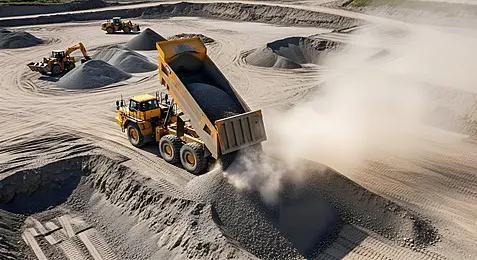
A dump truck pulls onto uneven ground. The bed lifts. The load shifts slightly.
Nothing dramatic happens—but every operator on site understands how quickly that moment could turn into a rollover, a damaged retaining wall, or an injured worker.
That moment explains why dump truck insurance cost behaves differently from most commercial trucking insurance.
Pricing in this segment is rarely driven by mileage or highway exposure. Instead, insurers focus on jobsite dynamics, load behavior, and rollover severity potential.
Understanding these risk factors explains why dump truck insurance often costs more than other vocational trucking coverage.
Average Dump Truck Insurance Cost
Dump truck insurance cost varies widely depending on equipment value, materials hauled, authority structure, and jobsite exposure.
However, many operators fall within broad industry ranges.
Typical dump truck insurance expenses may fall approximately within:
- $9,000 – $22,000 per year for many operations
• $750 – $1,900 per month depending on coverage structure and risk profile
Some operators may see lower pricing if they haul low-risk materials and maintain clean safety records, while new businesses or higher-risk operations can exceed these ranges.
Industry benchmarks also show how wide the trucking insurance spectrum can be. For example, Progressive reported that specialty commercial truckers paid around $746 per month on average for commercial truck insurance in 2024, though dump truck operations may fall above or below that depending on risk exposure.
These estimates include multiple coverage layers that combine to form a full trucking insurance package.
Most operators obtain these protections through broader policies such as:
Actual pricing always depends on underwriting review of the specific operation.
Why Dump Truck Insurance Is Priced Differently
Dump trucks are evaluated less like highway tractors and more like mobile construction equipment operating in uncontrolled environments.
Several characteristics change how insurers evaluate risk.
Jobsite environments are unpredictable
Soft shoulders, slopes, nearby workers, and heavy equipment create conditions that rarely exist on public roads.
Short-haul intensity increases exposure
Dump trucks often operate on repetitive local routes with frequent loading and unloading cycles.
Dumping activity introduces rollover risk
Raised dump beds shift the center of gravity dramatically, increasing severity potential even at low speeds.
Because of these factors, insurers treat dump truck operations differently from long-haul trucking when calculating insurance cost.
Cost Breakdown by Coverage Layer
Dump truck insurance cost is not one single policy. It is typically built from several coverage layers working together.
Each layer addresses a different type of risk.
Primary Liability Insurance
Primary liability coverage protects against bodily injury or property damage caused to others.
This coverage usually represents the largest portion of total dump truck insurance cost, because jobsite accidents can create significant third-party exposure.
Physical Damage Insurance
Physical damage insurance protects the truck itself against losses such as collisions, rollovers, fire, theft, or severe weather.
For dump trucks, repair costs may include:
- damaged hydraulic lift systems
• bent frames or dump bodies
• axle and suspension damage after rollovers
More information on this coverage can be found here:
physical-damage-insurance-trucking
Cargo or Material Liability Considerations
Although dump truck materials are often lower in value than freight cargo, spills or improper dumping can still cause damage.
Cleanup costs, property damage, and jobsite disruption can increase insurance exposure.
Bobtail or Off-Duty Liability Coverage
Dump truck operators may also carry liability protection when traveling between sites without an active load.
Coverage for those situations may include policies such as:
When these policies combine together, they create the total dump truck insurance package most operators carry.
The Core Cost Drivers for Dump Truck Insurance
Several underwriting factors consistently influence dump truck insurance pricing.
Material hauled
Different materials behave differently when transported and dumped.
Gravel, sand, asphalt, soil, or demolition debris all create unique load stability risks.
Jobsite versus roadway exposure
Operations that spend significant time off public roads often face greater insurance scrutiny.
Uneven terrain and active construction zones increase severity risk.
Truck configuration and maintenance
Axle configuration, dump body design, and hydraulic system condition influence the likelihood and severity of accidents.
Well-maintained equipment may reduce perceived risk.
Operating radius
Local hauling does not automatically reduce insurance cost. Frequent jobsite operations can increase risk even with limited mileage.
Claims history
Prior accidents, particularly rollovers or jobsite incidents, carry significant weight when insurers evaluate dump truck insurance cost.
Why Rollover Risk Has Outsized Impact
One of the most influential factors in dump truck insurance pricing is rollover severity.
Raised dump beds shift the truck’s center of gravity significantly. Even small slopes or uneven surfaces can create instability.
Common rollover triggers include:
- uneven dumping surfaces
• shifting materials during unloading
• soft ground conditions
• improper load distribution
Even low-speed rollovers can cause severe damage to the truck and surrounding property.
Because of this severity potential, rollover exposure plays a major role in how insurers calculate dump truck insurance cost.
Who Typically Pays More for Dump Truck Insurance
Not all dump truck operators face the same pricing.
Certain operational characteristics can increase insurance cost.
Examples include:
Independent authority operators
Drivers operating under their own authority typically assume broader insurance responsibility than those leased to carriers.
Higher-risk materials
Hauling demolition debris, asphalt, or unstable loads can increase underwriting concern.
Multiple drivers
Operations involving multiple drivers may introduce additional risk variables.
Urban jobsite environments
Congested construction areas may increase accident exposure.
New trucking businesses
New operators without established safety history often face higher insurance pricing initially.
These factors do not guarantee higher premiums but often influence underwriting decisions.
Why Online Dump Truck Insurance Estimates Often Miss the Mark
Many operators search online for insurance price estimates before requesting actual quotes.
These estimates rarely match final pricing.
Online tools often assume:
- highway-focused trucking operations
• uniform cargo types
• predictable operating conditions
Dump truck operations rarely fit those assumptions.
Once insurers evaluate jobsite conditions, equipment configuration, and material behavior, pricing adjusts to reflect the actual operation.
How Dump Truck Operators Can Reduce Insurance Cost
Although many risk factors are fixed, certain operational practices may help improve how insurers evaluate exposure.
Maintain strong safety records
Clean driving history and accident-free operations remain among the strongest signals insurers use when pricing risk.
Use safety technology
Dash cameras and telematics systems can demonstrate responsible driving behavior.
Maintain detailed equipment maintenance records
Documented maintenance of hydraulic systems, brakes, and suspension can support safer operation.
Control operating radius
Limiting travel distance and focusing on predictable jobsite environments may reduce certain risk variables.
Select appropriate deductibles
Higher deductibles may lower premiums but increase financial responsibility after a loss.
These steps do not guarantee lower premiums, but they can influence underwriting perception.
When Dump Truck Insurance Cost Should Be Reviewed
Dump truck insurance cost should be reassessed whenever operating conditions change.
Common triggers include:
- switching materials hauled
• expanding into new jobsite environments
• purchasing new trucks or dump bodies
• increasing operating radius
Insurance policies that worked during one phase of an operation may not match later changes.
Final Perspective
Dump truck insurance cost is not driven by mileage alone.
It reflects jobsite conditions, load behavior, rollover exposure, and equipment risk.
Two trucks may appear identical yet receive very different insurance quotes once insurers evaluate operational details.
For dump truck operators, understanding the factors behind insurance pricing provides far more clarity than relying on average numbers alone.